
A Modern Guide to Casino App Login Options

Most people view logging into a casino app as a routine task, but it is actually the point where convenience, account security, and device compatibility meet https://verdekaszino.org/fr-fr2/app2/. For players in France considering Verde Casino, the login screen dictates how quickly you reach the lobby, how safely your session continues from where you stopped, and what happens if you forget your password or swap your phone. This guide covers the real-world aspects of login options: getting the app, the credentials and device-based methods you might use, the handling of sessions, compatible devices, and what sets mobile apart from desktop. It covers points you can confirm, not marketing fluff, so you can gauge what to anticipate before you install anything.
Social Login and Third‑Party Authentication
A growing number of casino apps let you log in using an existing Google, Apple, or Facebook account. This social login method passes the authentication process to a leading platform that already has solid security measures and, in many cases, two‑factor authentication activated. If you always use your Google account across devices, accessing the casino app becomes a quick tap, with no new password to remember. The casino gets a token confirming your identity without ever viewing your social platform password.
There are drawbacks to weigh. Using a social login connects your casino account to an outside identity provider, so if that social account becomes locked or deleted, you could lose access to your casino account as well. Privacy‑conscious players might also be uncomfortable about associating their gambling activity to a profile that contains real‑name data and social connections. In France, where knowledge of data protection is strong, you should review the permissions asked for during social login setup and confirm whether the casino app shares any activity data returned to the social platform. A explicit privacy notice inside the app must explain all this.
Downloading the Official Casino App Without Risk
Ahead of you can use any login method, the app itself has to come from a reliable source. For Verde Casino, French players should obtain the application only from the operator’s verified website or from authorized app stores. Unofficial APK sites and unofficial mirrors often bundle modified versions that can steal your login details or introduce malicious code. Although an unofficial app looks identical, it may lack the security patches that secure the login flow. Spending a few extra minutes to confirm the download source is one of the easiest ways to avoid account trouble before you even arrive at the login screen.
After the app is installed, the first launch usually shows a login or registration screen. At this point, you should notice visual cues that indicate it’s the real deal, like a padlock icon in the status bar on iOS or a verified developer signature on Android. Should the app asks for excessive permissions that have nothing to do with gaming—like access to your contacts or call logs—it’s worth pausing and double‑checking the source. A authentic casino app will confine permissions to what’s needed for push notifications, biometric sensors, and secure storage, nothing more.
Session Handling and Automatic Login Options
After you log in, how long the session stays active and what triggers its expiration has a direct impact on convenience as well as security. Many casino applications provide a “remember me” or “keep me signed in” feature which saves a persistent token on your device, letting you reopen the app for days or weeks without re‑entering credentials. This is a genuine time‑saver if you open the app multiple times daily. Yet, if your device is misplaced or stolen, a persistent session might grant the finder unrestricted access to your account, as well as deposit and withdrawal capabilities.
To balance these concerns, well‑designed applications combine extended sessions with additional protections. As an example, critical actions like password changes, personal detail updates, or withdrawal requests may trigger a fresh biometric check or a one‑time code, even though your session is still live. The application may also automatically sign you out after a period of inactivity, such as 15 minutes, or when your device changes from Wi‑Fi to cellular data, which may indicate a change in location. Players in France should seek these detailed controls in the app’s security settings and adjust them to match their personal risk tolerance.
Manual Sign‑Out and Device Deauthorization
A manual logout button should always be easy to spot, not tucked away in a submenu. Tapping it should clear the local session token and demand full authentication the next time you launch the app. On top of that, many casino account dashboards display a list of approved devices, letting you see where your account is currently logged in. From that list, you can remotely remove a device you no longer use or one you don’t recognize. This function is invaluable if a phone is sold, repaired, or simply lost. Checking the authorized device list regularly is a habit that costs little time and shrinks your exposure window significantly.
Standard Authentication: Username, Passcode, and Numeric Code
The most familiar login method pairs a login name or email address with a secret phrase. With newer options emerging, this approach functions everywhere because it requires no extra hardware. If you’re a French player who likes a uncomplicated, no‑frills experience, a strong passcode and a easy-to-remember username stay a solid option. But the security of this method hinges on your habits: using again passwords from other sites, picking easy‑to‑guess combinations, or saving them in plain text notes tears down the whole login shield.
To make password‑based login more robust, many casino apps now impose minimum complexity rules and display a built‑in password strength meter during account creation. Some also allow you to use a numeric PIN as a faster option after the first full sign-in, especially on smartphones. A PIN can be quicker to type on a small display, but it should never become a simple string like 1234. If you go with a PIN, treat it with the same caution as a secret phrase: modify it now and then, and steer clear of birthdays or other personal occasions that someone could associate to your persona.
Credential Managers and Auto-fill Support
Modern smartphones support password managers that can generate, store, and automatically fill complex login details. When a casino app properly supports these tools, logging in turns both faster and more protected. Instead of entering a 16‑character random sequence, you just log in with your device’s master key (often a fingerprint or face scan) and the password manager fills in the fields. This reduces the inclination to recycle weak passwords and eliminates the threat of someone watching over your back. French players who already use a password manager for online banking and email will find that the elements align especially smoothly here.
Fixing Common Login Issues
Even with a well‑designed app, login problems can arise. The most common headache is a forgotten password. Reputable casino apps provide a self‑service password reset flow that sends a reset link to your registered email address or phone number. The process should be swift, but you must still have access to that email or phone. If your contact details are out of date, regaining the account may mean contacting customer support and submitting identity documents, which can take hours or days. Keeping your recovery information current is a simple preventive step that avoids long lockouts.
Another frequent obstacle is a locked account after too many failed login attempts. This security measure prevents brute‑force attacks, but it can also trap a legitimate player who types wrong a password several times. The lockout is usually temporary, lasting 15 to 30 minutes, after which you can try again. If the lockout persists or you see a message about suspicious activity, the safest move is to use the official support channel rather than trying to bypass the lock. French players can typically reach support via live chat right from the login screen, which is a deliberate design choice meant to help in exactly this situation.
Application Updates and Cache Corruption
After an OS update or a casino application update, stored login tokens can sometimes turn invalid. The app might suddenly ask for your full password despite biometric login was turned on. Purging the app’s cache or doing a fresh install often solves it, but you should be ready to log in with your primary credentials at least once afterward. If the problem keeps coming back, check the app’s permissions—especially for biometric sensors—to see whether a system update changed them. A quick trip to your device’s settings to re‑grant the necessary permissions usually restores login functionality smoothly again.
Login options in a modern casino app aren’t just a technical checklist; they’re the daily doorway between you and your account. By understanding what each method does well and where it has shortcomings—traditional passwords, biometrics, one‑tap links, and social logins—French players can choose the mix that suits their habits and security expectations. The most practical next step is to open the app’s security settings just after setup, turn on the strongest authentication method your device supports, and double‑check that your recovery details are up to date. A few minutes devoted to that setup today can save hours of frustration later and protect your account far better than any single password ever could.
Biometric Authentication
Biometric login has evolved from a novelty to a standard feature in casino apps. By using the fingerprint sensor or facial recognition already built into your device, the app can authenticate you in under a second. You don’t have to type anything, which is a real plus when you’re in a hurry or in a public place where someone might spot a typed password. For Verde Casino users on recent iPhones or Android devices with secure biometric hardware, turning on fingerprint or face login is typically a one‑time toggle in the app’s settings after your initial password login.
The technology underneath relies on the device’s secure enclave or trusted execution environment, so the casino app never accesses your raw fingerprint or face data. Instead, the operating system checks for a match and sends a simple yes‑or‑no signal to the app. This setup maintains biometric data locally and out of reach even if the casino’s servers are compromised. French players who value privacy can take comfort in knowing their biometric template never leaves the phone.
How Biometric Login Works on Mobile
Fingerprint Recognition on Android and iOS
Upon enabling biometric login, the app saves an encrypted token on your device. On later launches, the app asks the operating system for biometric verification. The system requests for your fingerprint or face, and if the match is good, the token is freed to authenticate the session. All of this happens on the device, with no biometric information transmitted over the network. If the biometric sensor fails several times—maybe because of a wet finger or poor lighting—the app switches to your password or PIN, so you’re never locked out.

Facial Recognition and Its Constraints
Fingerprint sensors are available in a few flavors: capacitive sensors on the back or side of a phone, under‑display optical or ultrasonic scanners, and the older Touch ID home button on iPhones. Casino apps don’t need to know which type you have; they just use the standard biometric API. How reliable the login appears depends on how well you set up your fingerprint in the first place. A rushed or partial enrollment can result in frequent rejections, so it’s worth re‑enrolling a finger if the app keeps struggling to recognize it. On Android devices, some manufacturers also permit you register multiple fingerprints, which can assist if you use the device with a trusted family member but want to maintain the casino account separate.
Biometric face unlock on iOS and similar facial recognition systems on Android use infrared depth mapping to construct a detailed 3D model of your face. That’s far more secure than simple camera‑based recognition, which a photograph can fool. Casino apps that offer biometric login automatically tap into this secure method when it’s available. Still, facial recognition can encounter issues in harsh lighting or when you’re wearing sunglasses or a face mask. In those cases, the backup to a password or PIN is essential. Players who often wear accessories that obscure part of their face may opt to keep fingerprint login as the main biometric option when their device supports both.
Single‑Click Login by SMS or Email Link
Some casino apps feature a passwordless login option: you enter your registered email address or phone number and get a one‑time link or code. Tap the link from your email or enter the SMS code, and you’re logged in without a permanent password. This method can resonate with anyone who struggles to remember complex passwords or seeks to bypass typing on a small keyboard. The security of this approach hangs on the integrity of your email account or phone number; if either gets compromised, an attacker could initiate a login link and walk right in.
For French players, one‑tap login via SMS can be especially handy because mobile numbers are tightly linked to identity through SIM registration requirements. But SMS delivery can slow down during network congestion or when you’re roaming, which might irritate you right when you are ready to begin playing. Email links are generally more reliable, though you must switch between your email app and the casino app, which adds a small extra step. Operators that do this well will restrict the link’s validity to a few minutes and present a clear expiration notice if you wait too long.
The reason App Login Matters for France’s Players
Authentication is more than just a username field. It’s the checkpoint that ties your identity to a account with funds, stored settings, and responsible-gambling limits. On a phone, that checkpoint has to work through changing networks, device locks, app updates, and different devices. In France, you need to make sure you meet the operator’s eligibility rules and use the official Verde Casino app or website for your region. A login flow that’s carefully designed cuts down on friction without weakening verification. One that’s careless can leave your account open to risks like session hijacking or someone logging in unintentionally on a common device.
Security aside, the login experience also affects your first impression every time you open the app. If it’s laggy, keeps requesting your password after a minor connection issue, or can’t identify your saved fingerprint, frustration piles up fast. French users often bounce between Wi‑Fi and mobile data while on the go, so a login method that manages network fluctuations without sacrificing security is a requirement. When operators put money into adaptive authentication—like requesting extra verification only when something looks off—they provide a smoother ride without lowering account security.
Safety as the Primary Defense
Each sign-in effort is a gatekeeper moment. The app has to validate that the person tapping the screen is the genuine account holder, not an individual who cracked a password or grabbed an unlocked phone. Today’s casino apps layer several signals: a knowledge factor (a password), a possession factor (a trusted device or one‑time code), and an inherence factor (biometric data). When these factors are combined smartly, even a leaked password won’t routinely open the door. For French players, this layered approach matches what they’re familiar with from banking apps and other regulated services, so the casino login appears familiar and trustworthy.
Regulatory Compliance and Player Verification
In France, online gambling operators must follow stringent identity verification rules. The login process often connects to the broader know‑your‑customer framework. Even after you’ve confirmed your identity during registration, you might still face occasional re‑verification prompts at login, especially if you’re accessing from a new device or after a long break. These checks aren’t random; they help the operator satisfy anti‑money laundering obligations and responsible‑gambling requirements. A login flow that explains clearly why it’s asking for a document again creates confidence instead of annoyance, and it keeps your account in good standing with the regulator.
Hardware Compatibility and Multi‑Platform Sign‑In
Casino apps differ across all devices. An app built for iOS can behave differently from its Android counterpart, and the login options available can vary. For instance, Face ID is standard on recent iPhones but not widely available on Android, where some manufacturers depend on fingerprint sensors or less secure face unlock. A tablet version can support landscape orientation with a split‑screen layout, which may change how the login form appears. If you use multiple devices—a phone while commuting and a tablet at home—you ought to expect a consistent login experience, but you could need to enroll biometrics separately on each device.
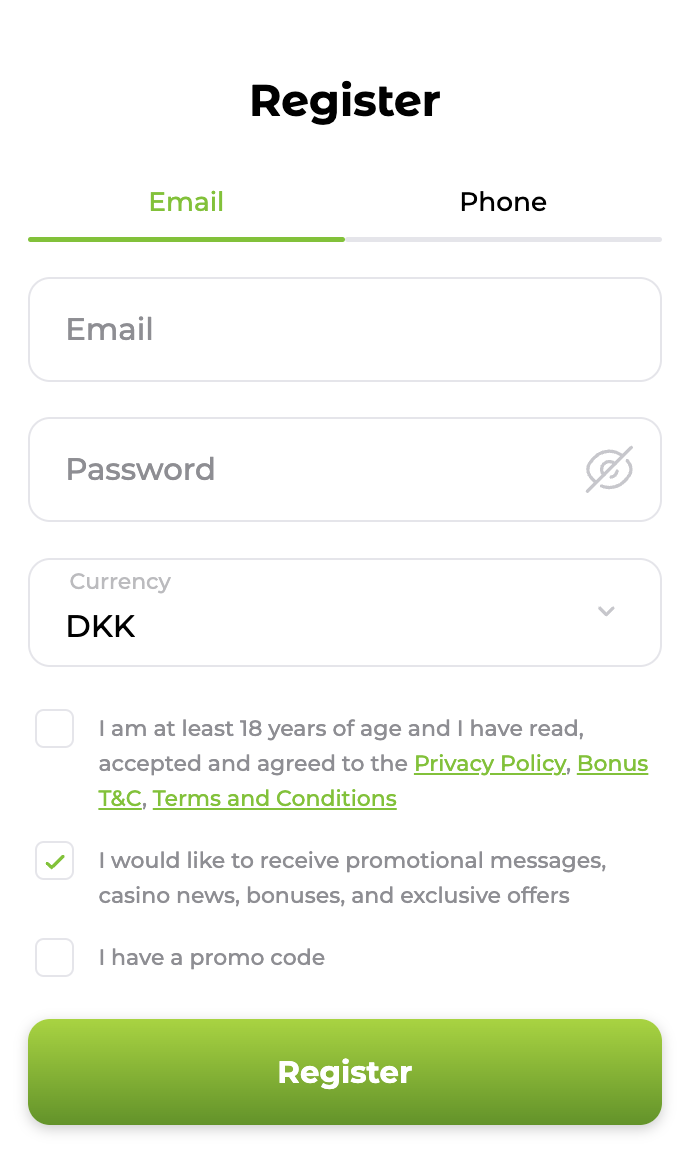
Cross‑platform login also covers the boundary between the app and the mobile website. Some players prefer to browse the casino on a desktop browser and then transition to the app for actual play. In those cases, the login credentials remain the same, but the session usually isn’t shared. Logging into the app will not automatically log out the desktop session, and vice versa. This separation is intentional; it allows you to keep a research session open on a computer while playing on a phone, but it also means you have to manage sessions across platforms yourself to avoid leaving an unattended logged‑in browser.


